The MontAche farm

From land to opportunity

Over forty acres at Wumenu, developed in phases — starting with production, ending as an ecosystem.

Phase one

The farm comes first

Our agricultural development begins with productive land and a clear vision: to demonstrate how sustainable agriculture can become a platform for economic opportunity.

The MontAche farm is being developed in phases, beginning with crop production and essential agricultural infrastructure and expanding into a broader integrated green innovation ecosystem.

Starting with production rather than buildings keeps the cost of the first phase low — and means the site can begin earning before the wider hub is built.
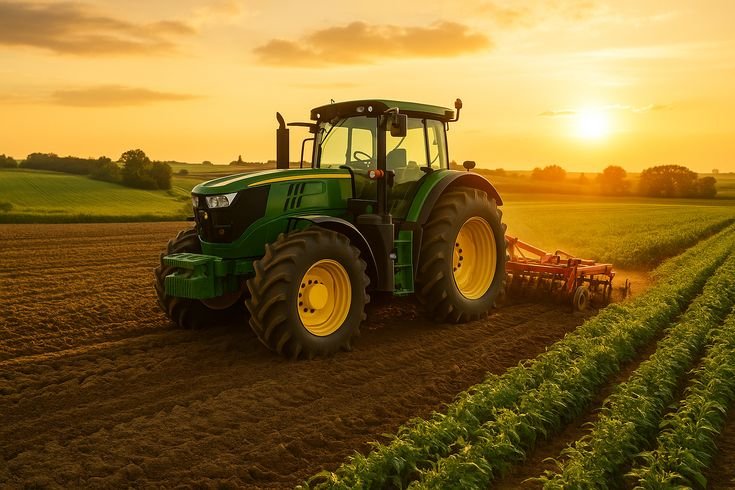
Production zone at the MontAche site
40+ acres
Farm, factory, academy and women's enterprise centre
Current & planned activities

What happens on the land

The farm is also a practical learning and demonstration environment for farmers, young people, entrepreneurs and partners.

Land development

Access, clearing, drainage and site infrastructure.

Land preparation

Bed preparation and soil conditioning for the first plots.

Maize production

Staple crop for local food security and processing.

Vegetable production

Year-round vegetables under irrigation.

Ginger cultivation

A high-value crop with strong local processing potential.

Coconut & fruit trees

Long-term tree crop development and agroforestry.

Irrigation

Water infrastructure to farm through dry spells.

Water infrastructure

Harvesting, storage and distribution across the site.

Agroforestry

Trees integrated with crops for soil and microclimate.

Livestock

Integrated livestock planned alongside crop production.

Aquaculture

Fish production as part of the diversified farm system.

Agro-processing

On-site drying, milling and packing of what the farm grows.

Our future hub

A living laboratory for green innovation

Our long-term ambition is to develop MontAche into a fully integrated green innovation hub. The planned ecosystem includes:

Agricultural Demonstration Farm

A practical space for testing climate-smart agricultural practices and technologies.

Innovation & Technology Labs

Spaces where young people and innovators can experiment, prototype and develop solutions.

Training Centre

Facilities for agricultural, entrepreneurial, digital and leadership training.

Enterprise Incubation

Support for emerging businesses working in agriculture, climate, technology and green innovation.

Community Spaces

Inclusive spaces for collaboration, knowledge exchange and community development.

Sustainable Accommodation

Eco-conscious accommodation and learning facilities for participants, researchers and visiting partners.

The journey

Six phases. Each one funds the next.

The hub is built in stages rather than all at once — every stage is designed to pay for the one after it instead of waiting on it.

Phase 01
Year 1

Breaking ground

Access, water and the first production plots at Wumenu. Demonstration farming begins, and the first farmers are contracted on an agreed-before-planting price.

Phase 02
Year 1–2

First harvests

The first contracted harvests move through the system. Because there is now somewhere on site to handle the crop, it no longer has to be sold the week it is lifted.

Phase 03
Year 2–3

Value added

On-site drying, milling and packing come online, so the margin that used to leave with the raw crop stays in the community that grew it.

Phase 04
Year 4

First fruits

Tree crops begin producing, and the training and enterprise arms start operating at scale alongside the production and processing work.

Phase 05
Year 5

The grove

550 contracted farmers, 200 permanent jobs with 55% held by women, and a skills academy recognised beyond the Volta Region.

Phase 06
Year 6+

Self-funding

Trading income covers the running costs of the hub, including the training and extension work. Grants build the capacity; trading sustains it.

On the ground

Where we are now

Early site work, land preparation and community engagement at Wumenu. Select any photograph to open the gallery.

View full gallery 

Help us build the next phase

Each phase of the hub can be supported directly — equipment, irrigation, solar, training places or processing capacity.